
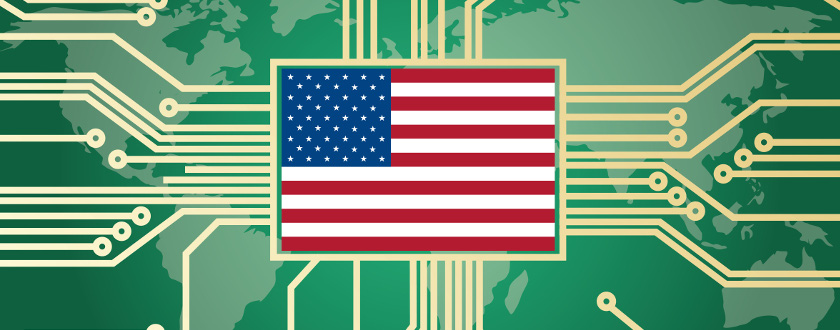
There’s a war occurring across our country. You can’t see it, but the effects are clear and it’s no longer a quiet one. According to last month’s MIT Technology Review, the Pentagon has gone public with its strategy to deploy an army of hackers in what is being called “America’s First Cyberwar.” Cyber security is the new frontier for fighting global terror groups like ISIS and at the center of this battle is big data and cyber analytics.
In warfare, intelligence and timing are critical. Getting the right information into the right hands requires robust tools to identify the threat vectors that can mean the difference between success and failure. In cyber warfare, protecting public and private networks and data centers requires a careful analysis of the data packets coming in to and out of the network. These attacks are creating an enormous volume of information. Information that holds insights into who is attacking, what they are doing and how to defend against the threats. The ability to connect the seemingly disparate pieces of data and detect anomalies is where the battle is won. This timely analysis allows teams to identify threats, launch defenses and counter attacks.
And this is only the beginning. Just this week, the US Army News Service issued a press release about the high priority being placed on recruiting, training and retaining talent in cyber security – all due to the increased threats against U.S. infrastructure. There’s no choice but to engage and to do so with a sound strategy. With cyber terrorism, it’s not about fighting fair, it’s about fighting smart with the right tools and team at your side.
The cyber battlefield is constantly shifting. Threats evolve daily, new attacks are mounted every second of the day. Public and private organizations are turning to cyber analytic solutions like our DataAdapt Cyber Secure to discover actionable insights by ingesting large volumes of sensor data, correlating that data to derive information and perform near real-time forensics, then translating that to actionable intelligence to defend against these threats.
Just like the traditional battlefield, there is no silver bullet to win the war. But vigilance combined with accurate intelligence will go a long way in protecting our cyber interests. Ultimately, this is a battle that will be fought on many fronts. The right tools and the right people are as important in this war as they are in every war that has been fought for centuries. The battlefield is changing, but the keys to victory remain the same.